
The Key Benefits of Drone Technology for Your Business
Drone technology has moved from novelty to standard practice for businesses that manage sites, assets, and projects. Here is what it changes about the way you work.
Key Benefits of Drone Technology
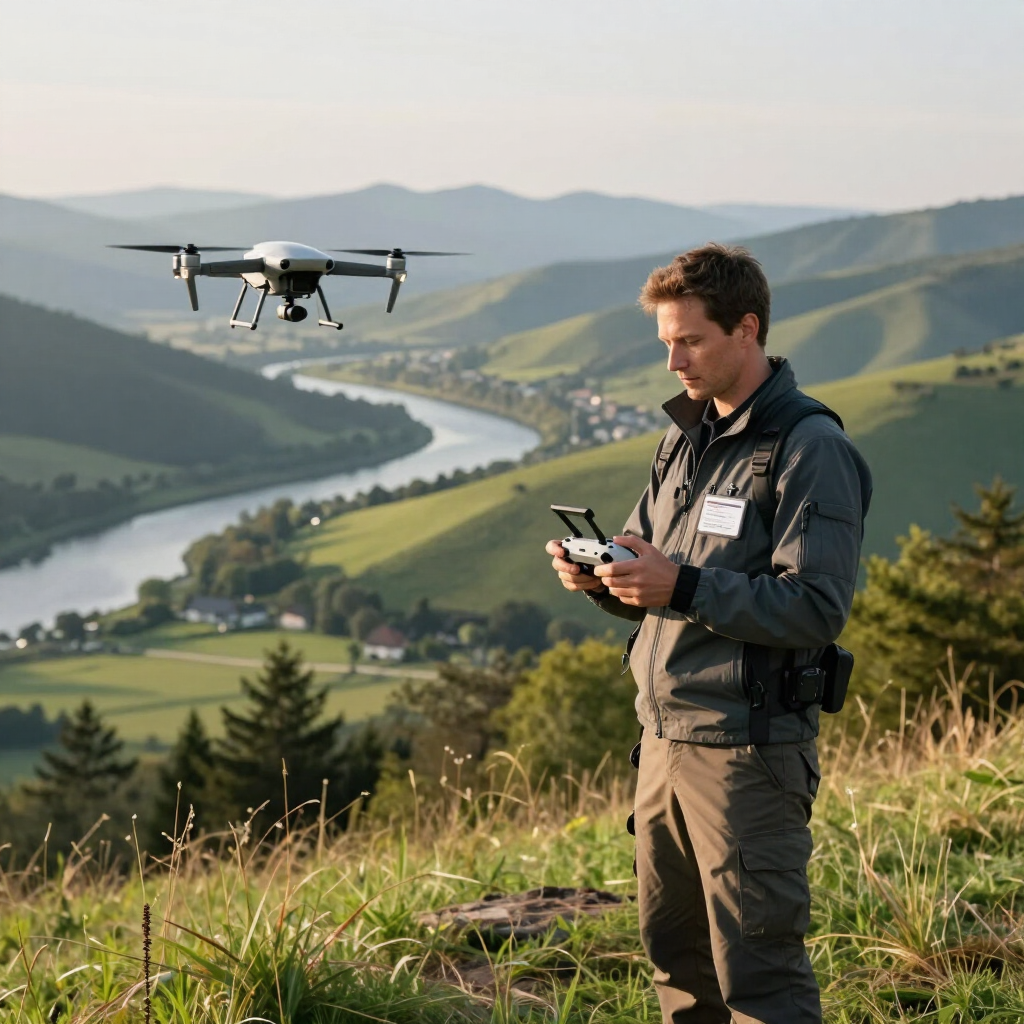
You gain several advantages by integrating drone technology into your operations. First, drones provide high-resolution aerial imagery that helps you monitor progress and inspect sites. This imagery is detailed and can cover large areas quickly. You avoid the need for scaffolding or helicopters, which are expensive and slow.
Enhanced Data Accuracy
Second, drones improve data accuracy. They use GPS and sensors to collect precise measurements. This data supports better decision-making and reduces errors. For example, you can create accurate 3D models of construction sites or track changes over time.
Improved Safety Measures
Third, drones enhance safety. They allow you to inspect hard-to-reach or hazardous areas without putting workers at risk. This reduces accidents and liability concerns. You can also monitor compliance with safety regulations more effectively.
Time and Cost Efficiency
Fourth, drones save time and money. Aerial surveys that once took days can now be done in hours. This speeds up project timelines and lowers labor costs. You also reduce the need for expensive equipment rentals.
Versatile Applications
Finally, drones offer versatility. They are useful in construction, real estate, agriculture, and infrastructure inspection. You can customize drone flights to meet your specific needs, whether it is mapping, surveying, or promotional videos.
How Drone Technology Enhances Project Management
You can use drone data to improve project management in several ways. First, regular drone flights provide up-to-date site information. This helps you track progress against schedules and budgets. You can identify delays or issues early and take corrective action.
Better Communication with Stakeholders
Second, drones support better communication. Visual data is easier to understand than written reports. You can share images and videos with stakeholders to keep everyone informed. This transparency builds trust and reduces misunderstandings.
Precise Volume Calculations
Third, drones enable precise volume calculations. For example, you can measure stockpile quantities or earthworks accurately. This helps with inventory management and billing.
Quality Control and Compliance
Fourth, drones assist in quality control. You can inspect workmanship and materials from above. This ensures compliance with standards and reduces rework.
Environmental Monitoring
Fifth, drones facilitate environmental monitoring. You can assess vegetation, erosion, or water flow on your site. This supports sustainable practices and regulatory compliance.
Practical Applications of Drone Services in Your Industry
You can apply drone technology in many practical ways to improve your operations:
- Site surveying and mapping. Quickly create detailed maps and 3D models.
- Progress monitoring. Track construction milestones with regular aerial photos.
- Inspection and maintenance. Check roofs, bridges, and towers without scaffolding.
- Marketing and sales. Produce high-quality videos and images for listings and presentations.
- Safety audits. Identify hazards and ensure compliance remotely.
- Environmental assessment. Monitor vegetation, water, and soil conditions.
Each application saves time and reduces costs. It also provides data that is more accurate and easier to analyze. You can integrate drone data with other software tools for project management and reporting.
Choosing the Right Drone Service Provider
Selecting a reliable drone service provider is critical. You want a partner who understands your industry and project needs. Look for these qualities:
- Experience and expertise. Proven track record in your sector.
- Quality equipment. Use of advanced drones and sensors.
- Regulatory compliance. Proper licensing and insurance.
- Data security. Safe handling and storage of your information.
- Customer support. Responsive communication and problem-solving.
- Customization. Ability to tailor services to your specific requirements.
A trusted provider will deliver accurate data and stunning visuals that help you succeed. They will also work closely with you to ensure smooth project execution.
For example, SkyMap Drone Services offers comprehensive solutions designed for businesses like yours. Their expertise and technology make them a reliable partner for your aerial imaging needs.
Maximizing the Value of Drone Data
To get the most from drone data, follow these recommendations:
- Schedule regular flights to maintain up-to-date information.
- Use software tools to analyze and visualize data effectively.
- Train your team to interpret drone outputs correctly.
- Integrate drone data with other project management systems.
- Share insights with all stakeholders to improve collaboration.
- Review and update your drone strategy as technology evolves.
By doing this, you ensure that drone technology becomes a valuable asset. It will support better decisions, reduce risks, and enhance project outcomes.
Embrace Drone Technology
Using drones is no longer optional for businesses that want to stay competitive. The benefits are clear and measurable. You gain speed, accuracy, safety, and cost savings. Partnering with a professional provider ensures you get the best results. Embrace drone technology today and elevate your projects to new heights.